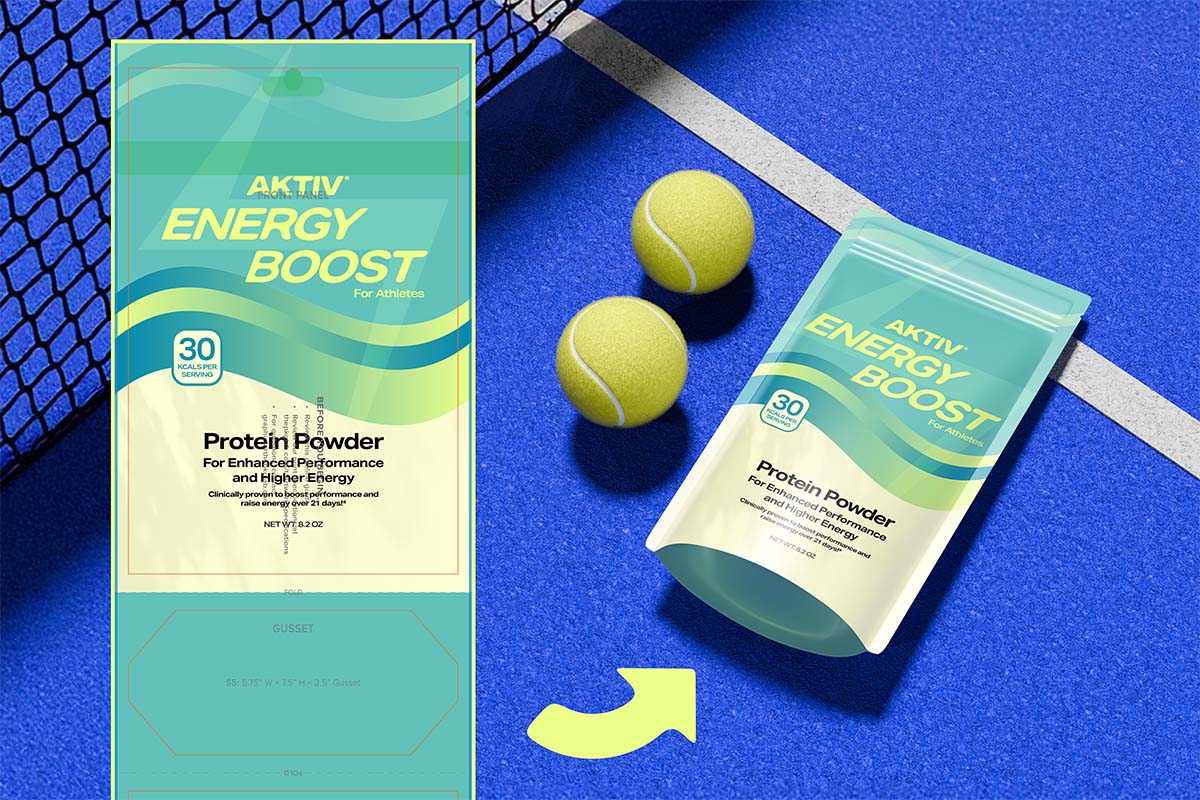
How AI Is Changing Custom Packaging Design
15 May 2026
Brands can explore more creative directions today than they could a few years ago. In custom packaging design, AI is speeding up early idea development, helping teams test visual directions faster, and making it easier to compare multiple approaches before a final design is chosen.
At the same time, AI is not replacing the fundamentals of good packaging design. Custom packaging design still has to tie to the product, support the brand, and meet print requirements, which is why AI is best understood as a tool inside the concepting process rather than a substitute for design. The Packaging Lab’s own workflow reflects that reality: brands can design using dielines, upload high-resolution PDF artwork, or use Design For Me when they want help turning an idea into a finished package.
What AI Is Actually Changing in Custom Packaging Design
The biggest change AI brings to custom packaging design is the speed of custom packaging design at the concept stage. Brands and designers can now generate multiple visual options and explore various ideas more quickly. Adobe's 2024 global survey of 2,541 creative professionals found that generative AI is boosting content production speed and allowing teams to focus more on valuable creative tasks.
While AI may support the early stages of design by generating ideas for color, composition, mood, illustration styles, and copy, final packaging must comply with production rules. This is crucial for flexible packaging, as the Packaging Lab provides dielines and artwork specifications for print-ready file setup. High-resolution PDF artwork is required.
Where AI Helps Brands and Designers Work Smarter
AI is most useful when it helps teams explore ideas more quickly. This ties directly into why custom packaging matters, since strong packaging still depends on thoughtful design choices, not just speed. For packaging teams, AI works best in the early stages by accelerating concept development, while the final refinement and decision-making remain hands-on with a designer.
In practical terms, AI can help with:
- Faster concept exploration when a brand wants to compare multiple looks early
- More concepts or style variations for internal review before settling on one direction
- Earlier copy or naming support while the concept is still taking shape
- Quicker mockup generation for presentations and early-stage discussion
- Broader brainstorming when a team wants to test visual territory before creating it manually
Once a direction is chosen, the designer takes over to refine the initial ideas generated by AI. They focus on adjusting the layout for better shelf impact, improving readability, ensuring compliance with regulations, and aligning every detail with the brand's identity. This is the phase where packaging transitions from the exploration stage to execution and is readied for real-world use.
Where AI Still Falls Short in Packaging Design
The most significant limitation is technical: AI cannot produce print-ready files. Most AI-generated artwork comes from free image generators that output 72 PPI imagery, far below the resolution print production requires. These tools typically produce 3D mockups rather than usable flat artwork, often with inaccurate or non-existent text. In our experience, AI-generated artwork falls short 100% of the time when submitted for production.
- Technical fit. Even when AI output looks polished on a mock-up, it doesn't account for the technical realities of pouch artwork. A design that works as an AI mockup may not translate into your target pouch design due to size ratios, dielines, zipper or hang-hole locations, tear notches, folds, and seals.
- Brand nuance. While AI can create visually appealing content, it may come across as generic or misaligned with the product's market position.
This is why AI works best as an accelerator, not an autopilot. It can expand creative options, but it doesn't eliminate the need for strategy, creative direction, or production-ready file preparation. Effective product packaging formats require human judgment to ensure the design communicates the brand’s message clearly and connects with the target audience at first glance.
How AI Can Influence Packaging Style Without Replacing Strategy
AI can help brands explore packaging styles more quickly by generating more visual directions early in the process. What AI cannot do on its own is decide which direction actually fits the product and brand.
Style still needs to be evaluated through a practical lens, including:
- Target audience expectations
- Product category fit
- Shelf visibility
- Brand personality
- Readability and information hierarchy
In that sense, AI helps brands see more possibilities, but the job of selecting the right possibility still depends on design thinking and packaging experience.
How Brands Should Use AI in a Smarter Packaging Process
Brands get the most out of AI by treating it as an exploration tool, not a finishing tool. A smarter workflow often looks like this:
-
Use AI to generate directions, not final answers. Start with style, mood, hierarchy, or copy exploration.
-
Narrow the ideas based on audience and product fit. The best-looking output is not always the best packaging choice.
- Review the strongest options with a packaging lens. Make sure the direction works for the actual format needs.
When approached this way, AI speeds up early thinking while leaving room for the strategic and technical judgment a finished package requires.
Bring Your Packaging Idea Into a Real-World Design With The Packaging Lab
Good packaging does not stop at concept generation. It has to become a real file, in a real format, with choices that hold up in production. The Packaging Lab supports that transition by offering custom stand-up pouches, custom lay-flat pouches, custom rollstock film, downloadable dielines, artwork specifications, and a design help service for brands that want hands-on design help.
AI can make custom packaging design more flexible at the beginning of the process. What it cannot do by itself is make the final packaging decision for you. If you are ready to turn an idea into custom packaging that works on the shelf and in production, contact The Packaging Lab today to explore your next step.